Wholesale

Top-Rated Wholesale Backpack Brands: Complete 2026 Guide

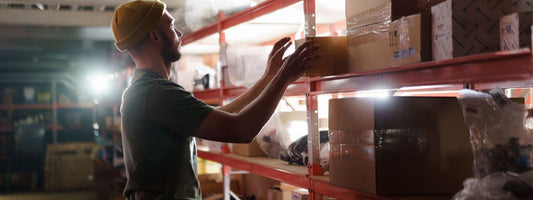
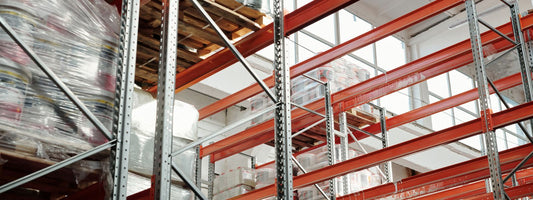
Warehouse aisle stacked with cardboard boxes on industrial shelving, representing bulk wholesale backpack inventory

Short answer: before you compare outside brands, check whether your own supplier already runs a wholesale program, since going direct usually beats sourcing through a distributor. If you sell backpacks and want a wholesale partner, BANGE's own program (50-unit minimum order quantity, 30 to 60 percent off retail, custom branding, and Net-30 terms for qualified accounts) is worth requesting a quote on before you shop competitor brands. This guide is for retailers, school and corporate buyers, and resellers evaluating wholesale backpack sourcing. It is not for shoppers who just want to buy one bag at retail, since that's a different page entirely.

Start Here: BANGE's Own Wholesale Program

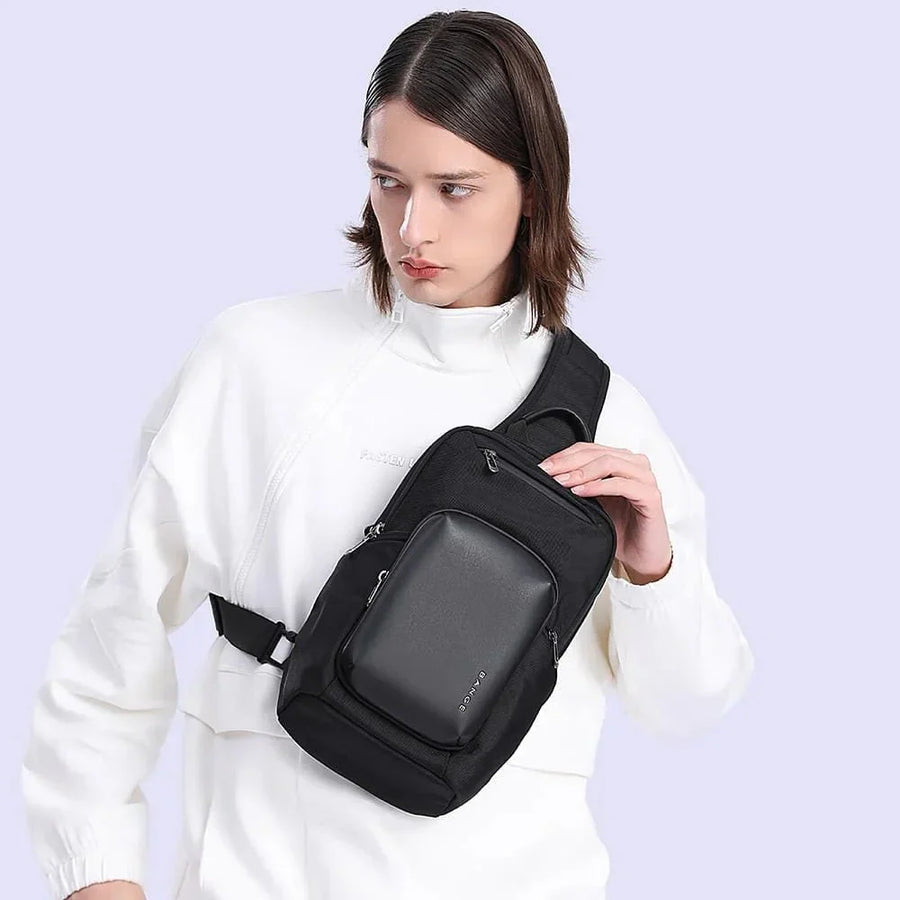
BANGE Wholesale

BANGE runs a direct wholesale and bulk-order program for retailers, K-12 schools, corporate gifting buyers, promotional distributors, and Amazon and eBay resellers. The program includes a 50-unit minimum order per model, tiered pricing that runs 30 to 60 percent off retail depending on volume, and custom branding options including screen printing, embroidery, woven labels, hang tags, and PMS color matching for exact brand colors. Qualified schools, government buyers, and accredited businesses can request Net-30 trade credit terms. Orders ship from a Los Angeles warehouse for US customers and a London-area warehouse for UK customers, with VAT invoicing handled for UK orders. Because this is direct-from-manufacturer, you're not paying a distributor markup on top of wholesale pricing.

Request a quote through the BANGE wholesale page to get current pricing tiers and lead times for your order size. This is the fastest way to get real numbers instead of estimates.

Premium Wholesale Backpack Brands

SWISSGEAR

SWISSGEAR is a widely distributed brand known for rugged travel-oriented styling and broad retail availability. It's a common pick for retailers who want a recognizable name at the premium end of the shelf. Wholesale pricing, minimum order quantities, and terms vary by account and change over time, so request current numbers directly from SWISSGEAR's wholesale team rather than relying on estimates from any guide, including this one.

Dakine

Dakine is positioned toward sports and outdoor use, with a following among skiers, snowboarders, and water sports enthusiasts. If your store serves ski resorts, sporting goods retail, or outdoor-focused customers, Dakine is worth evaluating. As with any brand, confirm current wholesale pricing and MOQ directly with Dakine, since these details change and are not something a third party can quote accurately.

Travelon

Travelon focuses on travel-specific features like RFID-blocking pockets and anti-theft designs, aimed at business travelers and security-conscious buyers. Contact Travelon directly for current wholesale terms if this segment fits your customer base.

Chrome Industries

Chrome Industries targets the urban commuter market with messenger-style bags and commuter backpacks. It tends to resonate with younger, urban customers. Reach out to Chrome Industries directly for wholesale pricing and minimum order requirements.

Mid-Tier Wholesale Backpack Brands

Jansport

Jansport is one of the most recognized backpack brands for students, and it's close to a default stocking choice for any retailer serving the school market. Availability, wholesale pricing, and MOQs are handled through VF Corporation's wholesale channels, so confirm current terms with them directly.

L.L.Bean

L.L.Bean appeals to quality-focused, traditional buyers and has a reputation for durability and customer service. Reach out to L.L.Bean's wholesale team for current pricing and order minimums.

Eddie Bauer

Eddie Bauer offers outdoor-inspired school and lifestyle backpacks that tend to appeal to families who value that heritage look. Contact Eddie Bauer directly for wholesale terms.

Fossil Group

Fossil Group distributes several mid-tier, fashion-leaning brands through one channel, which can simplify sourcing if you want more than one label from a single distributor. Confirm current pricing and MOQs with Fossil Group's wholesale contacts.

Budget Wholesale Backpack Brands

Outdoor Products

Outdoor Products is positioned at the budget end of the market and is commonly stocked by discount retailers and high-volume e-commerce sellers. If your model depends on volume and margin at a low price point, it's worth evaluating alongside BANGE's own budget-tier options. Confirm current wholesale pricing and MOQ directly with the brand.

AmazonBasics

AmazonBasics offers a private-label option at aggressive price points, mainly useful if you're selling on Amazon or targeting strictly price-conscious buyers. Terms are set through Amazon's own wholesale and vendor channels.

Target's Cat & Jack

Cat & Jack is Target's own budget kids' backpack line, aimed at elementary-age children and budget-conscious parents. Sourcing and terms depend on your relationship with Target as a retail partner, which is a different arrangement than a typical open wholesale program.

Specialty & Niche Wholesale Backpack Brands

Peak Design

Peak Design serves photographers, videographers, and other content creators with modular, tech-integrated designs. This is a premium niche that commands higher retail prices if your customer base fits that profile.

Osprey

Osprey is an industry-standard name for serious hikers and backpackers, with strong loyalty among that audience. It's a natural fit for retailers near trailheads, national parks, or outdoor-focused communities.

Deuter

Deuter leans toward European-style hiking and travel packs and has a stronger footprint in Western Europe, with a growing presence in the US market.

The North Face

The North Face spans budget to premium price points and carries broad brand recognition across outdoor and lifestyle customers. Wholesale access is typically through distributors rather than direct from the manufacturer, so plan for that extra layer when comparing terms.

How to Choose the Right Wholesale Backpack Brand or Supplier

Consider Your Customer Base

Are you serving students, professionals, outdoor enthusiasts, or budget shoppers? Choose brands and suppliers that resonate with your specific market rather than chasing the biggest name.

Get Real Numbers on Margins

Margins generally scale with price point: budget-segment programs tend to offer higher markup percentages since per-unit costs are lower, while premium brands usually run smaller percentage margins but bring stronger brand pull and faster sell-through. Don't rely on rules of thumb. Ask each supplier, including BANGE, for a current wholesale price sheet before you commit.

Ask About Lead Times Directly

Lead times vary by supplier, order size, and season, and they stretch during back-to-school and holiday peaks when factories run at capacity. Confirm current lead times as part of your quote request rather than assuming a fixed timeline.

Check MOQ Requirements

Lower minimum order quantities let you test a brand or style with less capital at risk. BANGE's program starts at 50 units per model, which is a reasonable entry point for a first order; compare that figure against whatever any other supplier quotes you.

Review Wholesale Support

Some programs offer dedicated account managers and hands-on support; others are closer to self-service. Decide which level of support your business actually needs before you pick a partner based on brand name alone.

Read Independent Customer Reviews

Check reviews on the retailer's own site and on marketplaces for quality and durability feedback. Consistent complaints about a specific defect are a more reliable signal than any number a supplier quotes you before you've ordered.

Place a Trial Order First

Always place a small trial order to assess quality, fulfillment speed, and customer service before committing to a larger volume, even with a supplier that looks good on paper.

MOQ, Lead Times, and Certifications: What's Actually Normal

Most wholesale guides tell you to "ask the supplier for their numbers" without giving you anything to compare those numbers against. Here's what MOQ, lead time, and certification actually look like across the industry, so you can tell whether a quote is reasonable or someone is padding their margin.

What MOQ Actually Looks Like by Region and Order Type

MOQ varies a lot depending on whether you're buying in-stock, undecorated backpacks or commissioning a custom run. US-based blank-backpack wholesalers commonly sell by the case rather than the unit, with 24 pieces per case being a common minimum. Custom production overseas runs higher: Vietnam-based factories frequently set MOQs around 500 units per style and color, with some requiring 5,000 to 10,000 units per order. UK-based custom manufacturers tend to land in the 200 to 500 unit range. Against that backdrop, a 50-unit MOQ for a custom, branded order (what BANGE's program uses) is on the low end, since most overseas factories won't touch a custom run below several hundred units.

Lead Times You Should Actually Expect

For backpacks already sitting in a warehouse, expect roughly 3 to 7 days for express shipping or 20 to 45 days for sea freight. Custom production is a different timeline entirely: factories quoting overseas custom runs commonly cite 25 to 60 days for production alone, before shipping. That window stretches further around back-to-school and holiday season, when factories are running at capacity and a normally 20-day production run can take 40 days or more. If a supplier gives you one flat lead time regardless of season or order size, ask them to confirm it in writing for your specific order window, not as a general estimate.

What Certifications Like BSCI and ISO 9001 Actually Tell You

These two show up constantly in supplier profiles, and they mean different things. BSCI (formally amfori BSCI, the Business Social Compliance Initiative) is a social compliance audit: it checks labor conditions, working hours, and safety at a factory, not the quality of the product coming off the line. ISO 9001 is a quality management certification: it confirms the factory has documented, repeatable processes for controlling quality, but it doesn't guarantee any specific product spec. Neither certification is a substitute for inspecting your own goods. If a supplier lists either one, ask for the certificate number or audit report rather than taking a logo on their website at face value.

Quality Tells You Can Actually Check

A few concrete things separate a durable backpack from one that looks fine in a sample and falls apart in the field:

  • Fabric weight is measured in denier (D). School and everyday backpacks typically run 300D to 600D polyester, while hiking and heavy-use packs usually call for 600D or heavier nylon. If a supplier can't tell you the denier of the shell fabric, they likely haven't specified it themselves.
  • Reinforced bartack stitching at load-bearing points, like where the straps meet the body and the top carry handle, is a sign the factory is building for repeated stress rather than just appearance.
  • Laptop compartments should have real padding, not just an extra layer of the same shell fabric. Ask what the padding thickness is and whether it includes a separate shock-absorbing layer.
  • Ask for the material weight tolerance the factory works within. A supplier that can quote a tolerance, commonly within about 5 percent, is telling you they actually track this, rather than eyeballing it run to run.

The most reliable check is a pre-production sample made under the same conditions as the bulk run, not a hand-finished showroom sample. Materials and stitching quality can quietly change between a one-off sample and a factory production line, so ask specifically for a sample pulled from the actual production process before you approve a bulk order.

FOB vs EXW: The Difference That Actually Affects Your Costs

If you're sourcing internationally, these two shipping terms change who's responsible for what, and how much you'll actually pay. Under EXW (Ex Works), the supplier's responsibility ends at the factory door. You arrange and pay for everything after that: trucking to the port, export clearance, ocean or air freight, and insurance, and you take on the risk the moment the goods are available for pickup. Under FOB (Free On Board), the supplier handles getting the goods to the export port, clearing them for export, and loading them onto the vessel; your responsibility and risk start once the goods are on board. FOB is generally the easier and safer default for a first-time buyer, since the port becomes a clean handoff point where a freight forwarder or third-party inspector can take over. If a quote just says "FOB" without naming the port, ask for the specific port before you compare it against other quotes.

Manufacturer, Trading Company, or Dropshipper? How to Tell Who You're Actually Buying From

Not every supplier quoting you a price actually owns the sewing lines making your backpacks. Trading companies and resellers can offer perfectly workable wholesale terms, but you should know which one you're dealing with, since it changes how much control you have over quality and price.

Check the Paperwork, But Don't Stop There

A business license's registered scope is a starting point: entities registered for manufacturing or production are different from those registered for trade or import and export. That said, a manufacturing registration alone doesn't prove the company you're talking to owns the specific factory making your bags, since some trading companies register a manufacturing scope without running their own production floor. Treat the license as one data point, not proof by itself.

Questions Worth Asking Before You Send a Deposit

  • Do you own the sewing lines, or is production outsourced to another factory?
  • Will the same factory that produces my sample also run my bulk order?
  • Can you share your business license and the name of the actual production facility?
  • What AQL (Acceptable Quality Limit) standard and defect categories do you inspect against?

A supplier that won't commit, in writing, that your sample and your bulk order come from the same factory is worth a second look. It's a common enough practice for a trading company to show a strong sample from one factory and then quietly place the bulk order somewhere cheaper.

Red Flags Worth Taking Seriously

  • They can't or won't name the actual factory producing your goods.
  • They refuse a live video walkthrough of the sewing floor and cutting room. This alone isn't disqualifying, since some factories limit floor access for confidentiality, but weigh it against everything else.
  • Their catalog spans wildly unrelated product categories, backpacks next to phone cases next to kitchen gadgets, which is a sign no single factory is actually producing all of it in-house.
  • They're vague or evasive about their own quality control process instead of describing it clearly.

None of this means you should only buy direct from a factory. Trading companies can be a legitimate, useful part of the supply chain, especially if you're ordering below a factory's own MOQ. The point is knowing which one you're working with, so you can set realistic expectations for quality control and pricing.

Wholesale Backpack Brand Trends 2026

Eco-Friendly Materials

Buyers increasingly ask about recycled polyester, organic cotton, and other sustainable materials. Suppliers investing in this are seeing more interest from retailers who need to answer that question from their own customers.

Tech Integration

USB charging pass-throughs, RFID-blocking pockets, and dedicated laptop compartments are shifting from nice-to-have to expected, especially in the commuter and student segments.

Hybrid Work and School Design

Demand continues for versatile backpacks that work for office, school, and casual outdoor use in one bag, rather than separate bags for each purpose.

Custom Branding

Schools, corporate buyers, and institutions increasingly want their own logo and colors on the bag. Suppliers offering fast, accessible private labeling, like BANGE's screen print, embroidery, and PMS color matching options, have an edge in winning these accounts.

Direct-to-Consumer and Direct Wholesale

More brands are selling and quoting wholesale directly rather than exclusively through distributors, which can mean better pricing and fewer middlemen if you're willing to reach out directly instead of defaulting to whichever distributor is easiest to find.

FAQs: Wholesale Backpack Brands

Q: Does BANGE offer wholesale pricing?

A: Yes. BANGE's wholesale program starts at a 50-unit minimum order per model, with tiered pricing and custom branding options. Request a quote on the wholesale page for current terms.

Q: Which wholesale backpack brand has the best margins?

A: It depends on the current price sheet from each supplier, and pricing changes over time. As a general pattern, budget-tier programs tend to offer higher percentage markups since the per-unit cost is lower, while premium brands run smaller percentage margins but sell through faster on brand recognition. Request current numbers rather than relying on published estimates, including the ones in this article.

Q: What's the most recognizable backpack brand?

A: Jansport is widely recognized, especially among students, and The North Face has strong recognition in outdoor and lifestyle categories. Recognition varies by demographic and region, so weigh it against how well a brand actually fits your customer base.

Q: Which supplier has the lowest MOQ for wholesale?

A: This varies and changes over time, so ask each supplier directly. BANGE's program starts at 50 units per model, which is a useful benchmark to compare other quotes against.

Q: Do I have to commit to annual volumes with wholesale brands?

A: Not always, but suppliers offering better pricing tiers usually reward volume commitments. Starting with a smaller trial order and proving reliability before negotiating a volume commitment is a reasonable approach with most suppliers, including BANGE.

Q: Which brand or supplier is best for private labeling?

A: BANGE offers screen printing, embroidery, woven labels, hang tags, and PMS color matching as part of its standard wholesale program. Several other brands mentioned in this guide offer some form of private labeling too. Always ask directly about current private label options and minimums, since they change by supplier and by season.

Q: Can I mix and match brands in a wholesale account?

A: Yes. Many retailers source from multiple brands and suppliers to cover different customer segments, whether through direct relationships or distributors.

Q: What defect rate should I expect from a wholesale supplier?

A: There's no single industry-wide number you can rely on. Ask each supplier for their own quality control data and return rate before ordering, and treat a supplier's willingness to share that data honestly as a signal in itself.

Conclusion

Before comparing outside brands, it's worth getting a direct quote from your own supplier's wholesale program, since going direct usually beats routing through a distributor. BANGE's program (50-unit MOQ, 30 to 60 percent off retail, custom branding, Net-30 terms for qualified accounts, and US and UK fulfillment) is built for retailers, schools, corporate buyers, and resellers who want straightforward direct sourcing.

The brands covered in this guide span premium, mid-tier, budget, and specialty positioning, and each can be a reasonable fit depending on your customer base. What matters most is getting current, verified numbers, pricing, MOQ, lead time, and support level, directly from each supplier rather than relying on estimates, including the ones in guides like this one. Request samples and place a small trial order before committing to volume with any new supplier.

Ready to source wholesale backpacks? Request a wholesale quote from BANGE to get current pricing and lead times, or compare it against quotes from the other brands covered above.