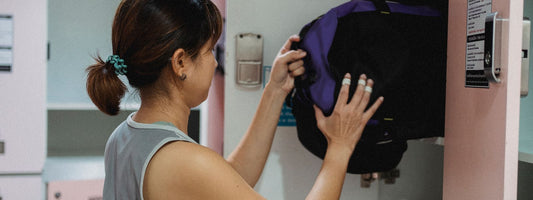
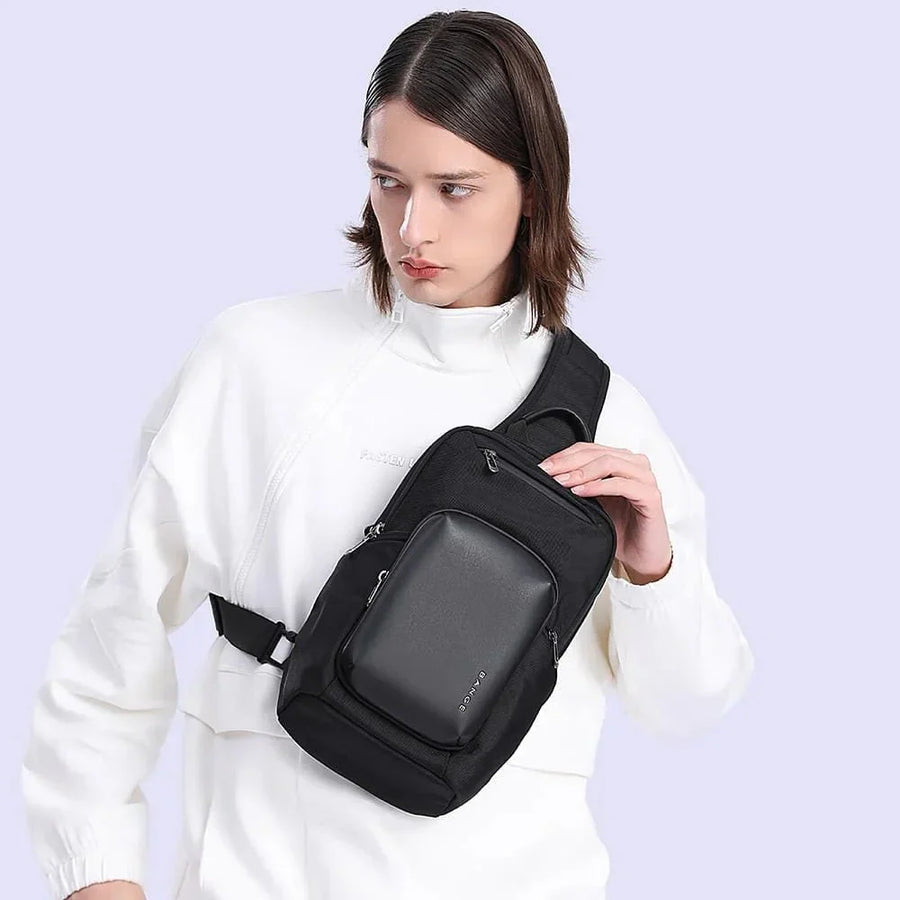
USB charging backpacks promise device power on the go—never searching for outlets during travel, commutes, or adventures. But do they actually work? Which models deliver real charging capability? This comprehensive review examines the technology behind USB backpack charging, separates reality from marketing hype, tests the best models, and reveals which Bange USB backpacks deliver genuine value for travelers and commuters. For a wider shortlist, see our full guide to the best backpack with USB charger picks for 2026.
76%
of travelers want charging capability in their backpack
Does USB Charging in Backpacks Actually Work?
The short answer: Yes, USB charging backpacks work—but with important caveats. Understanding the reality prevents disappointment.
How USB Charging Backpacks Actually Function
Most USB backpacks use one of two approaches:
1
Built-In USB Port (Pass-Through)
The backpack includes a USB port connected internally to your own power bank. You place your power bank inside the backpack, connect it to the USB port, and charge devices through that external port. The backpack doesn't store power—it's a cable management system. This is how most "USB backpacks" work.
The backpack includes a USB port connected internally to your own power bank. You place your power bank inside the backpack, connect it to the USB port, and charge devices through that external port. The backpack doesn't store power—it's a cable management system. This is how most "USB backpacks" work.
2
Integrated Power Bank (Rare)
The backpack includes a permanently-installed power bank. This adds significant weight and cost. Most consumer backpacks don't offer this—it's mostly specialty outdoor/adventure backpacks.
The backpack includes a permanently-installed power bank. This adds significant weight and cost. Most consumer backpacks don't offer this—it's mostly specialty outdoor/adventure backpacks.
The Reality: "USB charging backpack" usually means a backpack with a convenient USB port where you plug in your own power bank (which sits inside the backpack). It's a cable management solution, not a magic charging device. The advantage: your power bank is protected inside, and you charge devices without opening the main compartment.
Charging Speed Reality
USB backpack charging speed equals your power bank's charging speed. A standard USB port (5V/1A) charges at ~5W—meaning your phone gains ~10-15% battery per hour. USB 3.0 fast charging (which Bange 7216Plus offers) delivers higher wattage but still limited by your power bank's output capacity.
Bottom line: USB backpacks are convenient for maintaining charge, not for emergency rapid charging. They're perfect for 8+ hour travel days or work commutes where you need gradual charging accessibility.
Best USB Charging Backpacks: Bange Models Reviewed
Bange 7225 - The Fashion-Forward USB Backpack
Premium Hard Shell Design with Coded Lock
The Bange 7225 stands out with its distinctive hard shell exterior—combining futuristic aesthetics with serious everyday functionality. This isn't just a backpack trying to look premium; it delivers genuine features beneath the eye-catching design.
Key USB Charging Features:
- Built-in USB charging port—connect your power bank inside the backpack
- Built-in coded anti-theft lock—secures main compartment in airports and transit
- 1680D polyester hard shell exterior—premium, waterproof, scratch-resistant
- Dedicated 15.6" laptop compartment with padding—protects work device
- Main storage for headphones and accessories—organized compartments
- Breathable mesh back panel—comfort during all-day wear
- Ergonomic padded shoulder straps—distributes weight properly
- Soft top handle—convenient carrying options
- Unisex design in Black and Grey—professional appearance
- Custom logo options available for wholesale—corporate gifting ready
USB Review Verdict: The 7225's USB charging port is genuinely convenient for travel and commuting. Position your power bank inside, route the USB cable out, and charge devices without constant unpacking. The anti-theft lock adds peace of mind—your power bank and devices stay secure. Perfect for business travelers managing multiple devices during long travel days.
Best Use Case: Business professionals traveling internationally, creative professionals (photographers, designers) needing device power, frequent flyers wanting organized tech management.
Bange 7216Plus - The USB 3.0 Fast Charging Champion
Water-Resistant with Built-In TSA Lock & USB 3.0
The Bange 7216Plus represents the pinnacle of commuter and travel backpack engineering. Water-resistant construction, built-in TSA lock, physiological spine support, and—critically—USB 3.0 fast charging port make this the most comprehensive USB backpack available.
Key USB Charging Features:
- Built-in USB 3.0 fast-charging port—faster power delivery than standard USB
- Built-in TSA-approved combination lock—airport security peace of mind
- Water-resistant nylon throughout with sealed water-resistant zippers—all-weather protection
- Fits 15.6" laptop + multiple tech accessories—comprehensive device management
- 20-35L capacity with inner compartment system—organized storage for travel essentials
- Physiological curve back transport system—reduces fatigue on long commutes
- Padded shoulder straps with ergonomic design—all-day comfort
- Side card slot and bottle holder—quick access to essentials
- Soft top handle—convenient carrying options
- Lightweight at 1.25kg—doesn't add unnecessary weight to travel
USB Review Verdict: The 7216Plus's USB 3.0 fast-charging is the game-changer here. Standard USB charges at ~5W; USB 3.0 delivers substantially more power—your phone actually gains 15-20% per hour rather than 10-15%. Combined with TSA lock security and water-resistant construction, this is the most travel-ready USB backpack. For frequent travelers, the USB 3.0 speed justifies the investment alone.
Best Use Case: Frequent business travelers, digital nomads, international commuters, people traveling with multiple devices requiring simultaneous charging.
Bange 3028 - The Expandable Traveler with Compression System
Vacuum Compression + Expandable Capacity + TSA Lock
The Bange 3028 takes USB backpack versatility further with a built-in vacuum compression system and expandable capacity (+8cm). This backpack adapts to your packing needs while maintaining device charging capability.
Key USB & Travel Features:
- Built-in USB charging port—standard 5V charging for device power
- Vacuum compression system—reduce clothing bulk and maximize space
- Expandable +8cm capacity—switch between daily mode and travel mode
- TSA-approved lock—secure your belongings at airports and transit hubs
- Odor-free shoe compartment—keep footwear separate and hygienic
- Hidden pocket security—discreet storage for passports, cards, cash
- Ergonomic shoulder padding with breathable support—long-hour comfort
- Airflow channels—reduces back fatigue during extended wear
- Expandable storage system—adapts from slim daily to expanded travel
- Durable construction with reinforced lining—built for years of travel
USB Review Verdict: The 3028's USB port is standard charging speed, but the vacuum compression system and expandable capacity make this the most practical travel backpack for variable needs. The compression reduces what you need to pack, while USB charging keeps your devices powered. The expandable system means one backpack for daily commutes AND weekend trips—extraordinary versatility.
Best Use Case: Multi-purpose travelers alternating between daily commuting and weekend trips, minimalist packers wanting compression efficiency, travelers prioritizing flexibility and adaptability over maximum charging speed.
USB Backpack Comparison Table
Real-World USB Charging Use Cases
✈️ International Flight (12+ Hours)
Your phone is at 20%. With a USB backpack + 20,000mAh power bank inside: You charge your phone from 20% to 80% during the flight, keep it powered through layovers, and arrive refreshed. Without USB backpack: constant searching for outlets, unpacking/repacking chargers, managing cables. USB backpack wins decisively.
💼 Full-Day Business Meeting (10+ Hours)
You're in back-to-back meetings with laptop, phone, tablet, smartwatch. USB backpack at your feet charges your phone and smartwatch passively during the day—you arrive at the evening dinner with all devices fully charged. Without USB backpack: devices at 30% by afternoon, stress about finding outlets during breaks.
🚴 City Commuting (2+ Hours Daily)
You bike-commute 1+ hour to work. Your phone battery will be at 40% by arrival. USB backpack keeps it topped up during the commute—you arrive at work with full battery for the day. By evening commute, you're at 50%, USB charging tops you up again. Without USB: constant low-battery stress throughout the day.
🎒 Weekend Adventure (3 Days)
Hiking/camping weekend with phone for navigation and photos. One 20,000mAh power bank + USB backpack charges your phone 2-3x during the trip—you get home with full memories and full battery. Without USB: phone dies midday, can't take photos, navigation stresses.
USB Backpack FAQ
Frequently Asked USB Charging Questions
Does USB charging backpack actually work or is it just marketing?
It genuinely works—but understand the mechanism. The backpack doesn't store power; it provides convenient cable management for your own power bank inside. You place your power bank (20,000mAh recommended) in the backpack, connect it to the USB port, and charge devices without unpacking. It's convenient device management, not magic charging. Real value comes from not searching for outlets repeatedly during travel.
Do I need to buy the backpack's power bank or can I use my own?
Use your own power bank. Most USB backpacks (including all three Bange models) simply provide a convenient USB port—they don't come with an integrated power bank. You supply your own power bank (20,000-30,000mAh recommended for all-day travel). The backpack just routes the cable externally. This is better: you choose your preferred power bank capacity and brand.
How fast does USB backpack charging charge devices?
Standard USB (5V/1A) charges at ~5W, gaining your phone ~10-15% battery per hour. USB 3.0 (like Bange 7216Plus) delivers more power, gaining ~15-20% per hour. Charging speed depends on your power bank's output—a higher-capacity or fast-charging power bank provides faster device charging. USB backpacks aren't emergency rapid chargers; they maintain charge over 8+ hour travel days or work commutes.
What size power bank should I pair with USB backpack?
20,000-30,000mAh power banks are ideal. A 20,000mAh power bank charges most phones 4-5 times fully. For 8-10 hour travel days, 20,000mAh is sufficient. For 15+ hour flights or multi-day trips, 30,000mAh ensures your phone never dies. The Bange backpacks accommodate standard power banks inside—verify the compartment size before purchase if using a larger power bank.
Is USB 3.0 charging worth the premium?
If you travel frequently with multiple devices or carry a large phone/tablet, yes. USB 3.0 (Bange 7216Plus) charges 50% faster than standard USB—gaining 15-20% per hour vs. 10-15%. For occasional travelers, standard USB suffices. For business travelers managing multiple devices, USB 3.0 justifies the investment by ensuring devices stay reasonably charged throughout long travel days without constant outlet searching.
Can I charge my laptop with a USB backpack?
Not directly—standard USB ports don't deliver enough power for laptop charging (typically need 45-65W). USB backpacks charge phones, tablets, smartwatches, and low-power devices. If you need laptop charging, you'll need a dedicated power bank with USB-C Power Delivery capability (separate from the backpack's USB charging). The Bange models provide phone/tablet/watch charging; laptop charging requires a distinct solution.
Which Bange USB backpack is best for travel?
For frequent international travelers: 7216Plus (USB 3.0 fast charging + TSA lock). For flexible packing needs: 3028 (expandable + compression system). For style-conscious professionals: 7225 (premium design + coded lock). Best depends on your priorities: charging speed (7216Plus), packing flexibility (3028), or aesthetic design (7225).
Do USB backpacks work on airplanes?
Yes. The TSA locks on 7216Plus and 3028 pass airport security (agents can inspect without breaking the lock). You keep the backpack under your seat or in the overhead bin, your power bank inside charges your phone during the flight. Perfect for long international flights. The TSA lock gives you peace of mind leaving the backpack unattended in flight or during layovers.
What Makes a Good USB Charging Backpack
✓ Quality Port Positioning: USB port should be external or easily accessible without opening main compartment. Bange models all position ports conveniently.
✓ Internal Power Bank Space: Dedicated compartment or organization system keeping power bank accessible but protected. All three Bange models have organized internal systems.
✓ Quality Construction: Water-resistant materials and durable zippers. 7216Plus is fully water-resistant; 7225 is waterproof; 3028 is durable with water-resistant outer.
✓ Security Features: Anti-theft locks or hidden compartments keeping power bank and devices secure. All three have security: 7225 coded lock, 7216Plus TSA lock, 3028 TSA lock + hidden pockets.
✓ Appropriate Capacity: Enough room for power bank plus work essentials. 7225 and 7216Plus are optimal for day travel; 3028 offers expandable flexibility.
🚩 Red Flags to Avoid:
USB port hidden inside main compartment (defeats convenience). No capacity for power bank. Poor quality zippers or water protection. Uncomfortable for all-day wear. No security features (risk of theft).
Key Takeaways: USB Backpacks Worth It?
- USB backpacks work: They provide convenient device charging through your own power bank—no more outlet searching during travel.
- Understand the mechanism: The backpack doesn't magically charge; it's cable management for your power bank inside.
- Charging speed reality: Standard USB: ~10-15% per hour. USB 3.0: ~15-20% per hour. Not emergency rapid charging—maintenance charging during 8+ hour days.
- Bange leads the category: 7225 (premium design), 7216Plus (fast charging + security), 3028 (flexible packing) address different travel needs.
- Power bank selection matters: 20,000-30,000mAh power banks pair best with USB backpacks. Capacity determines your charging independence.
- TSA security matters: Built-in TSA locks (7216Plus, 3028) provide airport peace of mind—agents can inspect without breaking your lock.
- Worth it for frequent travelers: If you travel 6+ times yearly or commute 2+ hours daily, USB backpack convenience justifies the investment.
USB Charging Backpacks: Real Convenience, Real Value
USB charging backpacks deliver on their promise: convenient device power during travel and commuting. They're not magic charging devices, but intelligent cable management systems that eliminate the frustration of constant outlet searching.
The Bange 7225, 7216Plus, and 3028 represent three different travel philosophies: premium design, fast charging power, and packing flexibility. All deliver genuine value through USB charging convenience paired with security, durability, and travel-focused features.
Bottom line: If you travel frequently, commute long hours, or manage multiple devices, a USB charging backpack removes real travel friction. Your phone stays powered, your devices stay organized, and you gain hours back every trip by not searching for outlets. That's the real value—not magic charging, but practical convenience.
Choose your Bange model: Prioritize style (7225), fast charging (7216Plus), or flexibility (3028). Add a quality 20,000-30,000mAh power bank. For a lighter option, consider a minimalist USB travel backpack. Your next travel day will be noticeably less stressful.
Previous
Best Travel Backpacks with USB Charging Ports: Complete Buyer's Guide 2026
Next
The Minimalist EDC: Everyday Carry Essentials That Fit in a Sling