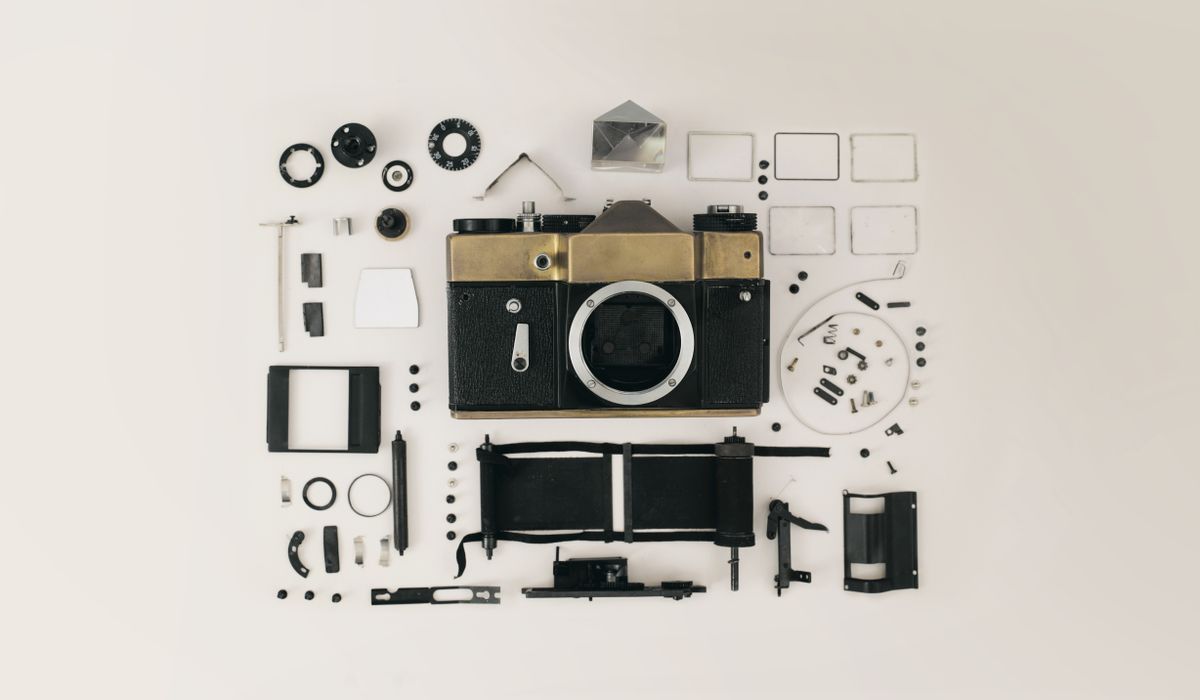
Carrying a camera body, a couple of lenses and accessories needs more than a spare pocket: it needs a system that protects fragile gear, organizes it, and still carries comfortably for hours. Here's what separates a real camera backpack from a regular one.
Priorities in order: protection first, then organization, then comfort, then travel features. Get those right and your gear arrives ready to shoot.
Protection comes first
Your kit is fragile and expensive, so look for thick, customizable foam dividers that cradle each piece and stop bodies and lenses knocking together, plus a structured shell that resists crushing in a crowded overhead bin. A water-resistant exterior guards against a surprise shower mid-shoot.

Organization that keeps up with you
- Adjustable dividers to fit your exact kit, and reconfigure as it grows.
- Quick side or back access so you grab a lens without taking the bag fully off.
- A padded laptop/tablet sleeve for editing on the road.
- Small pockets for batteries, memory cards and cables, the things that vanish.
Comfort and security
Camera kits are heavy, so padded, contoured straps and a breathable back panel matter even more than usual, you'll carry this for a full day of shooting. Add anti-theft pockets and lockable zippers to protect valuable gear in crowds, markets and transit.
Travel-ready details
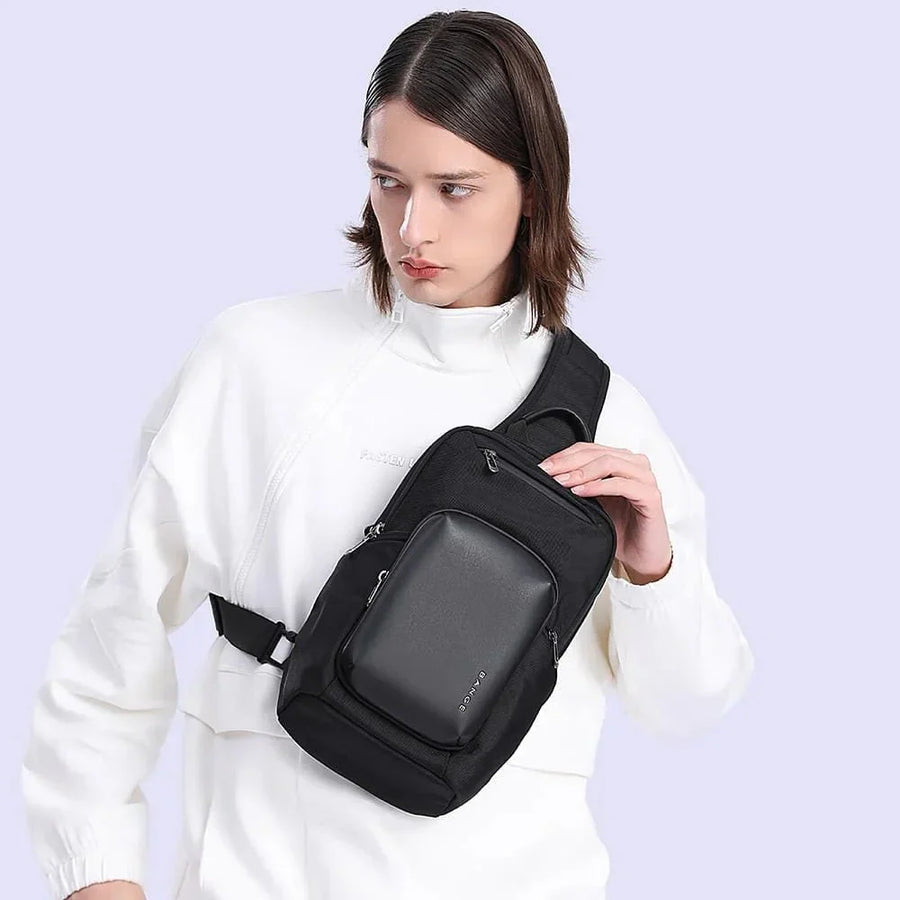
A trolley strap for your suitcase handle and carry-on-friendly dimensions make airport days far easier, and you never want to check fragile gear. A protective, professional-looking pack like the Bange Orbix 2913 pairs sturdy, anti-scratch protection with room for a laptop and everyday carry.
How much gear do you really carry?
Match capacity to your kit honestly. A compact bag forces you to bring only what you'll use (often a good thing); a larger one suits multi-lens setups and drones. Bigger isn't better if you're hauling empty padded volume all day.
Frequently asked questions
Can a regular backpack work for a camera?
For a single body and a lens with a padded insert, sometimes. For multiple lenses and accessories, dedicated dividers and a structured shell like those in the Bange Antares camera backpack protect far better.
Do I need a waterproof camera bag?
Water resistance is wise for outdoor shoots; a rain cover adds protection for heavy weather.
Side access or top access?
Side/back access lets you grab a lens fast without setting the bag down, great for run-and-gun days.
The bottom line
A camera backpack earns its place through protection, smart organization, comfort and travel-readiness. Prioritize in that order and your gear stays safe and shoot-ready. Browse protective, well-padded camera bags in the Bange collection, or if you carry lighter kit, the compact Bange Capella camera sling bag is a great grab-and-go option.
Previous
Leather vs Polyester Backpacks: Pros, Cons, and How to Choose
Next
Sling Bags and Chest Bags: The Rise of Minimalist Carry